The Grype: Adventures in Corporate Malfeasance
|
Tuesday, 18 June 2013 06:00 |
CLICK THE THUMBNAIL TO VIEW FULL SIZE
We don't usually do gaming columns, but this one simply begged to be written, so here goes:
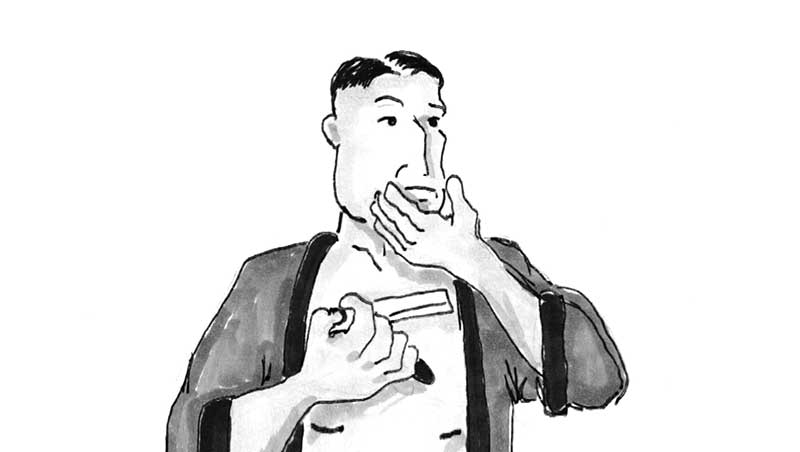
To no one's surprise, software giant Microsoft continues to rake in record profits while inviting its customers to fuck off. They had to scramble a few years back to recover from user-backlash over their half-finished, shittily-executed Vista operating system by completely scrapping that platform in favor of its hasty replacement, the stripped-down (though arguably more stable) Windows 7. Everything was peachy until they recently dropped another billion dollar turd on us in the form of the incomprehensibly-redesigned resource hog, Windows 8. The gang in Redmond WA seem adamant that Microsoft customers are just going to have to suck it up and gratefully accept whatever Lord Microsoft sees fit to bestow.
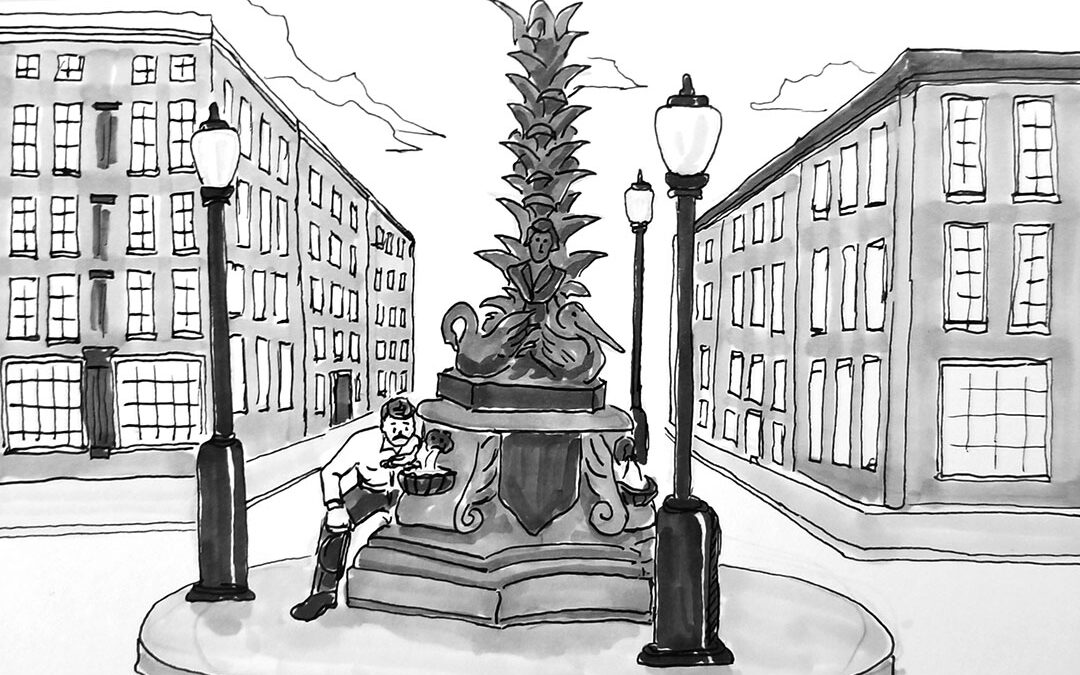
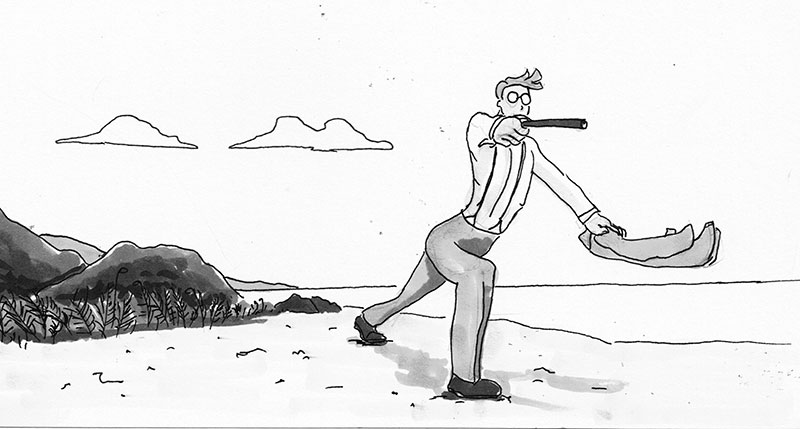
Then came the first official announcement of the much-anticipated game platform, the Xbox One, the long-awaited replacement for Microsoft's wildly popular XBox 360 (itself another half-ass success at the end of a long string of broken promises and dismal almosts in the Xbox line). The new console's debut was different in a lot of ways: over half the time allotted by Microsoft to discuss the system dealt with draconian new security measures ("limiting measures") intended to prevent gamers from sharing or reselling their game titles. Also wacky is how the new system essentially demands that its users divert their cable service through the game box, abandoning remote controls in favor of Kinect-powered 3D gestures that turn such simple acts as changing the TV channel into a bizarre symphony of Tom Cruisian conductor gestures. Huh? Plus the new unit comes pre-bundled with Skype, enabling sudden video calls to anybody and everybody in your email address book via voice-activated dialing. Through a camera that apparently can't be manually turned off. Creepy.
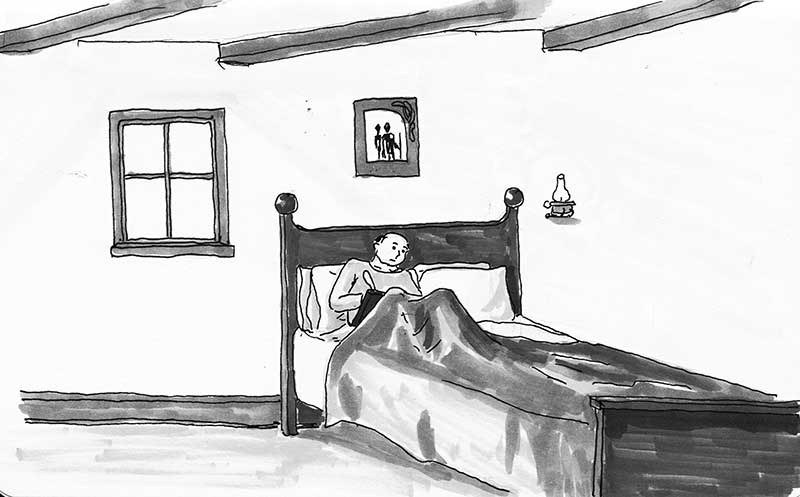
Worse yet: it has to connect to the Internet over a broadband connection at least once every 24 hours, or else it won't work. Even if you only want to play a single-player version of a game offline: if the internet can't find your box, your box won't work. If Microsoft can't keep track of who you are and what you're doing with your personal game collection, their state-of-the-art black blinking fun box bricks your system.
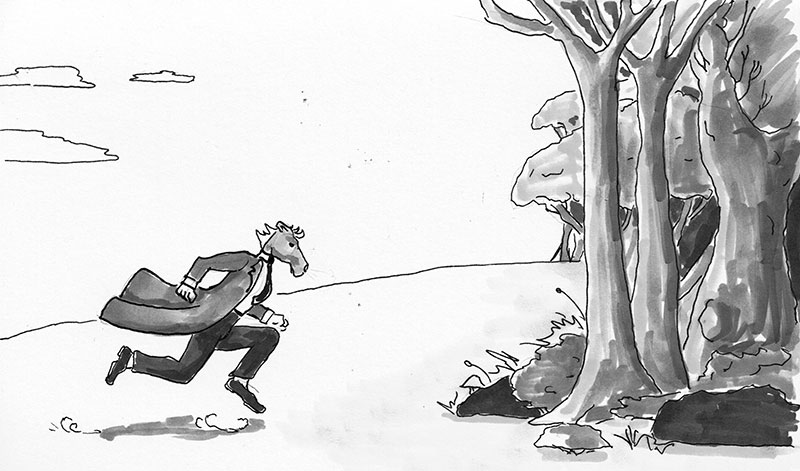
IT WON'T LET YOU PLAY ANY REINDEER GAMES. Not just "their" reindeer games. ANY reindeer games.
Since broadband connectivity in the United States currently only runs at around 65%, any such business-plan for the new XBox One is utterly ludicrous. And even in the most heavily-wired urban populations, internet access isn't exactly famous for its perfect reliability. So in the event that Microsoft suffers a server meltdown (or gets clobbered by a hardcore hacking attack that knocks them offline for a few days) all games on the Xbox One and Xbox Live would be unplayable, reducing the incredibly expensive new console to the same functionality as that enjoyed by a $60 Blu-ray player.
Independent game developers are also extremely unhappy that Microsoft is demanding that they have a publisher to sell their games on the Xbox One marketplace. Some game companies have announced that this, and Microsoft’s other new restrictions on independent studios, mean their companies won’t release any new games for the Xbox One or the Xbox 360 at all. Sony, meanwhile, has taken the opposite tack, encouraging independent game designers to code new games for PlayStation 4 in relative freedom.
Couple this with Microsoft's brilliant strategic decision to price the new system at $500 (for which they insist they are "over-delivering value"), when Sony plans to offer its competing PlayStation 4 this holiday season for just $400. I guess we'll see which company has a Merrier Christmas.
|
|
|
Thursday, 13 June 2013 06:00 |
CLICK THE THUMBNAIL TO VIEW FULL SIZE
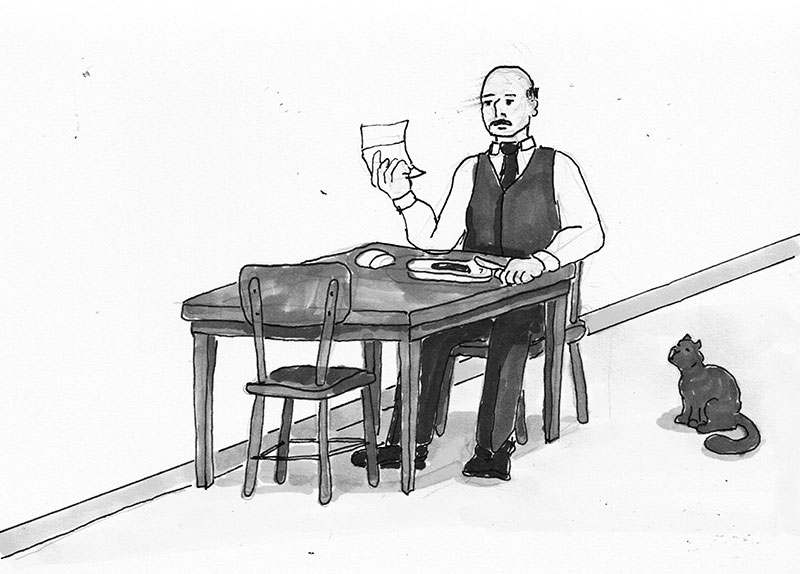
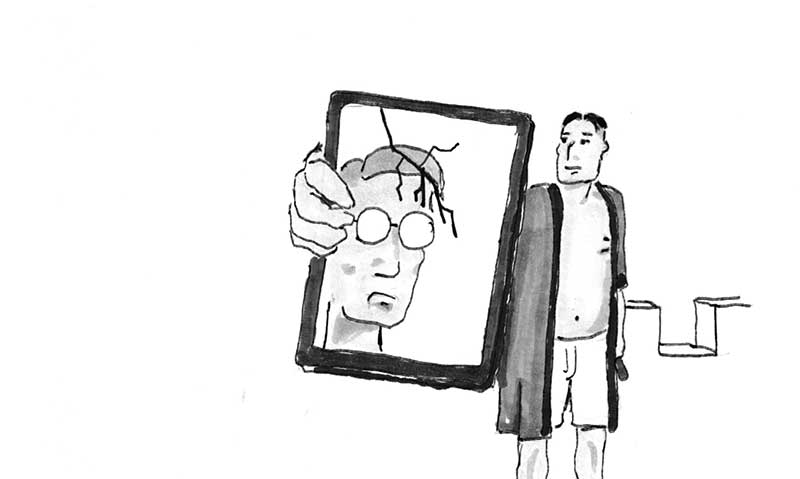
It recently came to light that Apple, one of America's most-profitable corporations, legally sidesteps a hefty portion of its annual Federal corporate tax obligation by taking advantage of certain loopholes in the U.S. Tax Code (and international financial law) via a complicated series of overseas banking transfers. Over $75 billion dollars in potential federal tax payments got avoided that way between 2009-2012. Lots of people are pretty bent out of shape over it.
But! They didn't do anything illegal. No law was broken. Like if some normal middle class American guy notices a loophole in the tax code that legitimately allows him to deduct his socks if he buys them in Guatemala. So he imports his socks from Guatemala so he can legally take advantage of the deduction, saving several hundred dollars a year on his taxes. Is that guy a crook? Nope. Just someone who found and exploited a legitimate lapse (or unintended benefit) in the tax code.
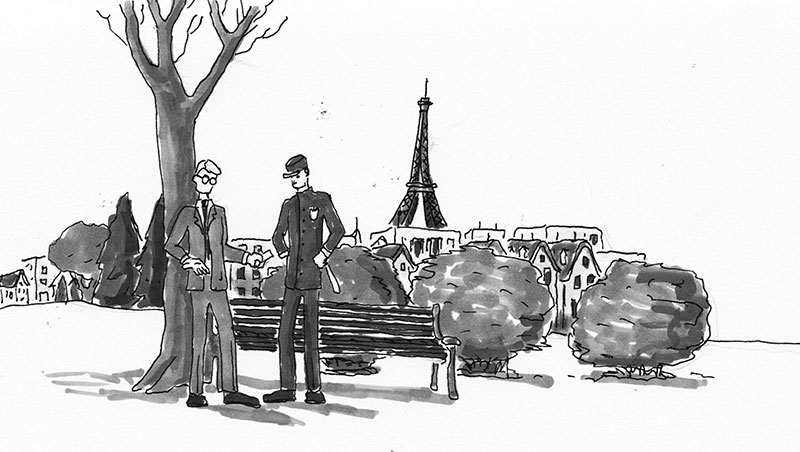
Don't like it, IRS? Amend the law and close the loophole. Readers may recall that Mitt Romney (who?) came under fire during the last presidential election when people noticed he saves a buttload on income taxes by squirreling away personal income in tax shelters, off-shoring portions of it in overseas banks where the IRS can't touch it. Yet he does this LEGALLY. Because IRS be damned, there's no way to stop it-- apart from investing millions of American dollars pursuing years of diplomacy signing treaties with foreign governments to gain better access to overseas banking records.
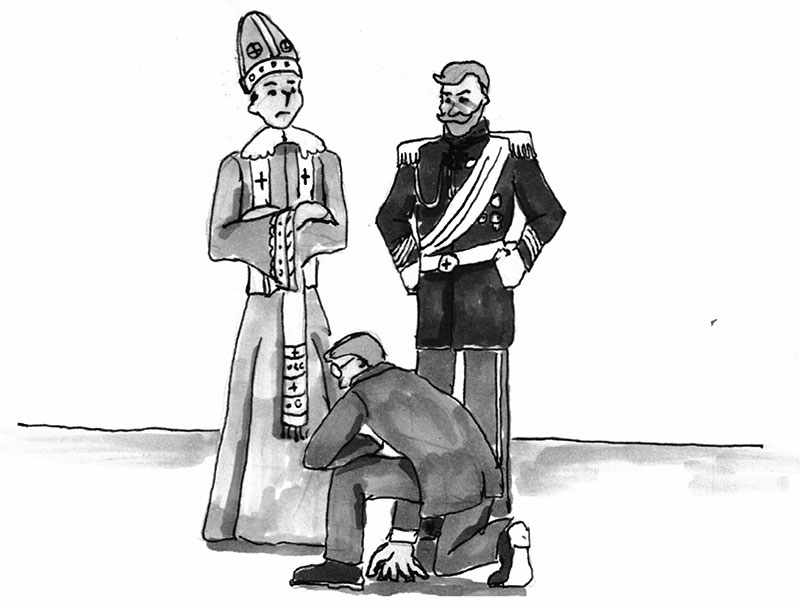
It's LEGAL. Stop whining, IRS, and pass legislation to stop it. You might also want to quit profiling certain types of political groups. Just play fair and run everyone through the same ringer. Otherwise, expect to get messily called out for it (which is a great scandal to distract us from realizing Congress remains stalemated, since no one dares put forth any serious legislation from ether side). Thanks for the smoke screen, Cleveland IRS guys! Wouldn't want anyone to notice that our shiny new Congress isn't doing its job.
But corporate influence remains the biggest, sneakiest, most pernicious problem in Washington.
Federal prosecutions of financial fraud recently hit a 20-year low... though to be fair, the number of such prosecutions has fallen every year since 1999. Politicians seem perfectly happy to accept corporate campaign donations and leave the private financial sector to its own devices, while entire industries openly scoff at safety and trade regulations. Deregulation continues on all fronts, and it keeps allowing hundred-car financial pile-ups in the corporate fast lane (plus the occasional ugly industrial accident).
The gap between rich and poor has been rising unchecked since 2001. America's most profitable companies use loopholes to pay zero in taxes, but the Obama administration's farcical proposed tax overhaul would lower the corporate tax rate even further. The worst offending Wall Street greedoids got off scott-free for crashing the economy. Our entire "recovery" has just been a lunatic attempt to re-inflate the same massively-inadvisable financial bubble built on never-ending economic expansion-- because American economists are too scared to imagine anything else. That's the same bubble that goes flat whenever too much deregulation unleashes a greedy financial free-for-all of investment money grabs, torpedoing our economic infrastructure. Lost middle class jobs get hastily replaced with low-wage jobs for a net loss. Median household income has fallen.
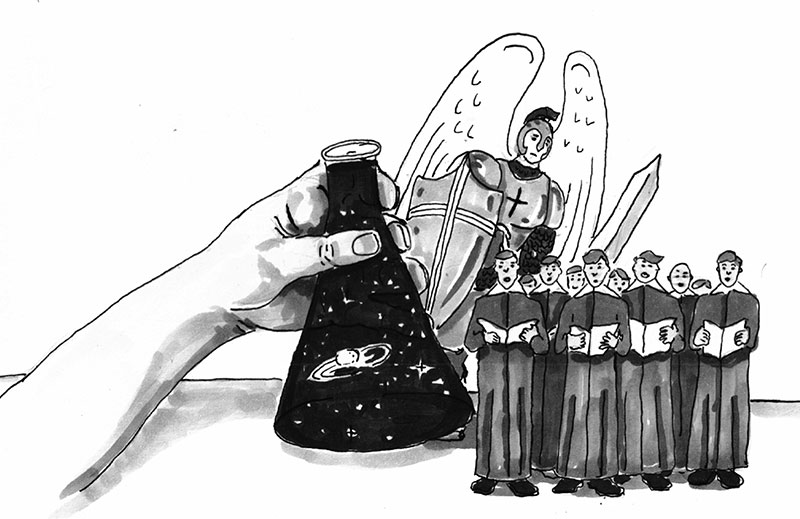
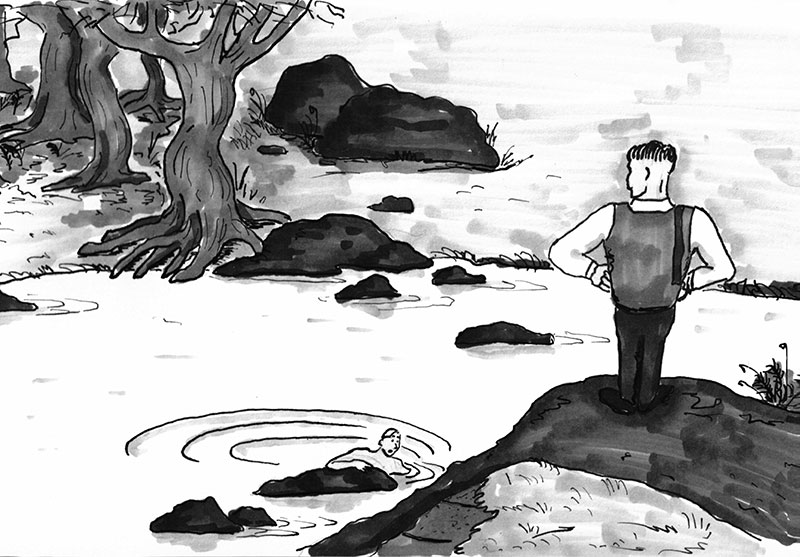
Is the United States bouncing back? Kind of. But we're just re-building the same stack of cards. Business as usual, as the corporations say.
|
|
Tuesday, 11 June 2013 06:00 |
CLICK THE THUMBNAIL TO VIEW FULL SIZE
Last week I promised you we would bag on Pepsi, so here goes:
Way back in the early 1990s (during the heady days of "the Cola Wars") Pepsi Cola was getting seriously stomped by Coca-Cola in foreign markets-- even in spite of the "new Coke" debacle we discussed last week. So in an attempt to capture a larger market share, Pepsi ad executives rubbed their pointy-little-heads together and dreamed up a completely original marketing scheme called a "lottery." And yes, it's precisely as impressive as it sounds. Basically they just followed in the well-worn steps of every cheesy food marketing scheme in the history of cheesy food marketing by painting three-digit numbers inside Pepsi bottle caps and handing out LOTS of crappy "second prizes" (free sodas), all the while promising one lucky winner the fantastic sum of 1 million pesos (roughly $40k in US dollars). They named these contests the awesomely-creative "Number Fever," because apparently the height of 1990s advertising ingenuity knew no bounds.
There were problems right out of the starting gate: one 1992 Number Fever promotion in Chile became a huge public debacle when the misinterpretation of a smudgy plastic-coated fax (remember those?) resulted in an incorrect "winning" number accidentally being released to the public. The Chileans didn't care if it was a mistake-- they wanted their prizes. So Pepsi had to shell out a lot of additional cash fighting numerous lawsuits against reneged contest winners who felt cheated. Meanwhile, Pepsi's sales in countries where the Number Fever campaign was happening increased by 40%. So what are a few hundred lawsuits when compared to such sweet success?
But there was worse to come: less than a year later, in the Phillipines, the Pepsi reps running the promotion expanded the number of prizes to over 1,500 and extended the contest for five extra weeks, selling countless millions of sodas to well over half the Filipino population. Number Fever was a hugely successful promotional gimmick. Now all Pepsi needed to do was choose a winner.
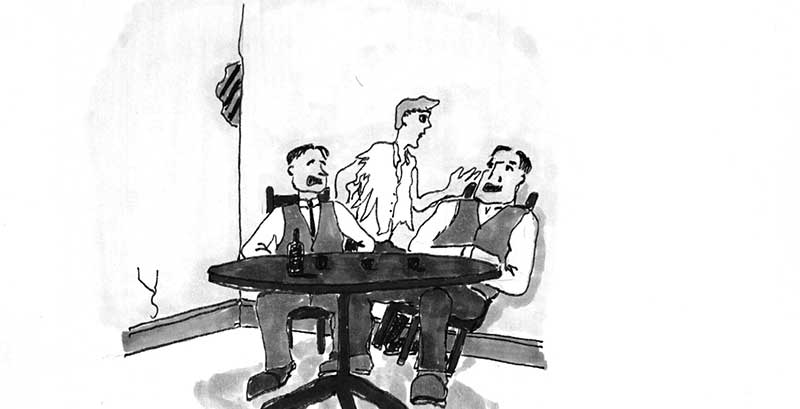
As in every such lottery-type marketing scheme, certain numbers were specifically NOT intended to be selected as the winner; in this case it was the number 349, which was printed on 800,000 bottle caps. So the consulting firm hired to draw the winning number-- who had presumedly been warned "whatever you do, DON'T DRAW NUMBER 349"-- fired up their computer program and DREW THE NUMBER 349. LIVE, ON FILIPINO TV.
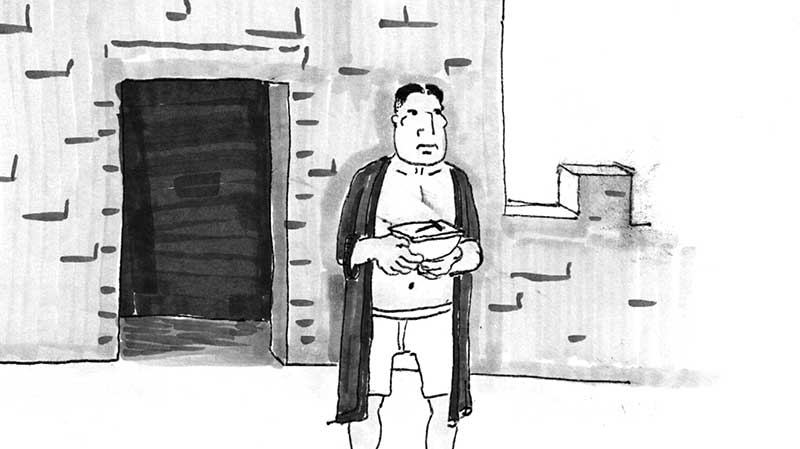
Naturally Pepsi executives balked when hundreds of thousands of joyous Filipinos showed up on their doorstep, each planning to claim his million pesos.
Acknowledging their massive (and ironically hilarious) mistake, Pepsi still stubbornly refused to pay a few billion dollars in accidental prize money. Pepsi tried to deflect the whole thing by inventing the bullshit story that the caps "didn't contain the correct security code." Which story the thousands of disappointed Filipino near-millionaires accepted happily and went home. Okay, sorry, my bad. ACTUALLY, the entire nation of the Phillipines went on an insane anti-Pepsi Cola riot binge, descending into the throes of soda-addled madness.
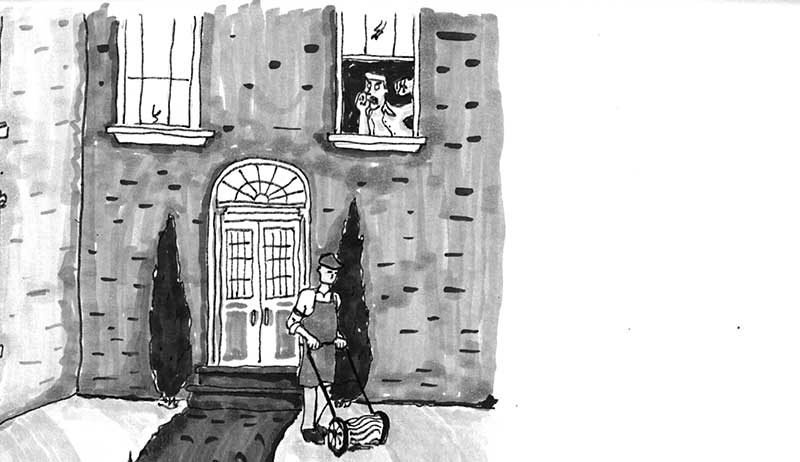
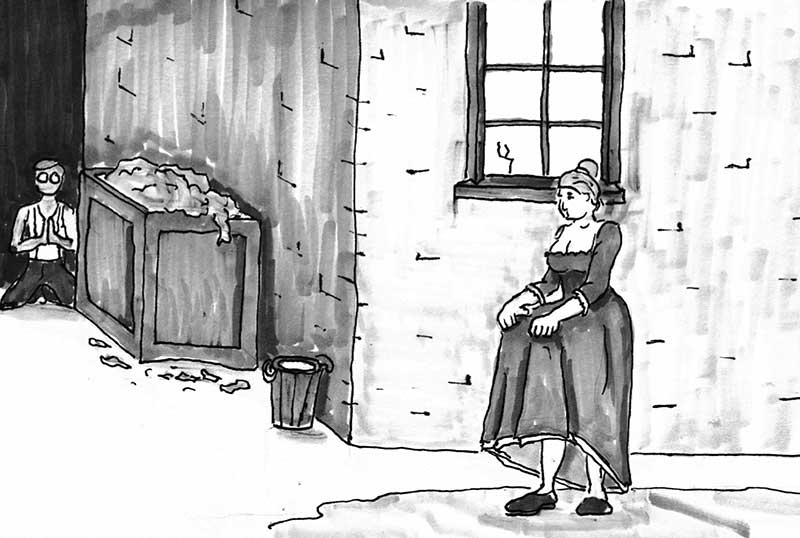
Rioters bombed Pepsi bottling plants and burned Pepsi delivery trucks while American Pepsi executives made a mad dash to escape the country. Thousands of lawsuits followed, and Pepsi lamely offered $20 bucks to each cheated winner.
When the smoke cleared, Pepsi's planned $2 million in prize payouts had ballooned into more than $10 million in restitution and legal fees.
There's no joke here. The whole sordid tale is its own punchline.
|
|
|
<< CLICK HERE TO VIEW PAST GRYPES >>

|
The Daily Grype
| Mo |
Tu |
We |
Th |
Fr |
Sa |
Su |
| |
|
|
|
|
1 |
2 |
| 3 |
4 |
5 |
6 |
7 |
8 |
9 |
| 10 |
11 |
12 |
13 |
14 |
15 |
16 |
| 17 |
18 |
19 |
20 |
21 |
22 |
23 |
| 24 |
25 |
26 |
27 |
28 |
29 |
30 |
CLICK TO ENTER THE WORLD OF ROBOT E LEE!

FOLLOW THE STRANGE ADVENTURES OF THE GRYPE
 UPDATED EVERY TUESDAY & THURSDAY!
 Follow @TheGrype
|